
Same Stone, Totally Different Wall: How Mortar Color Changes Everything
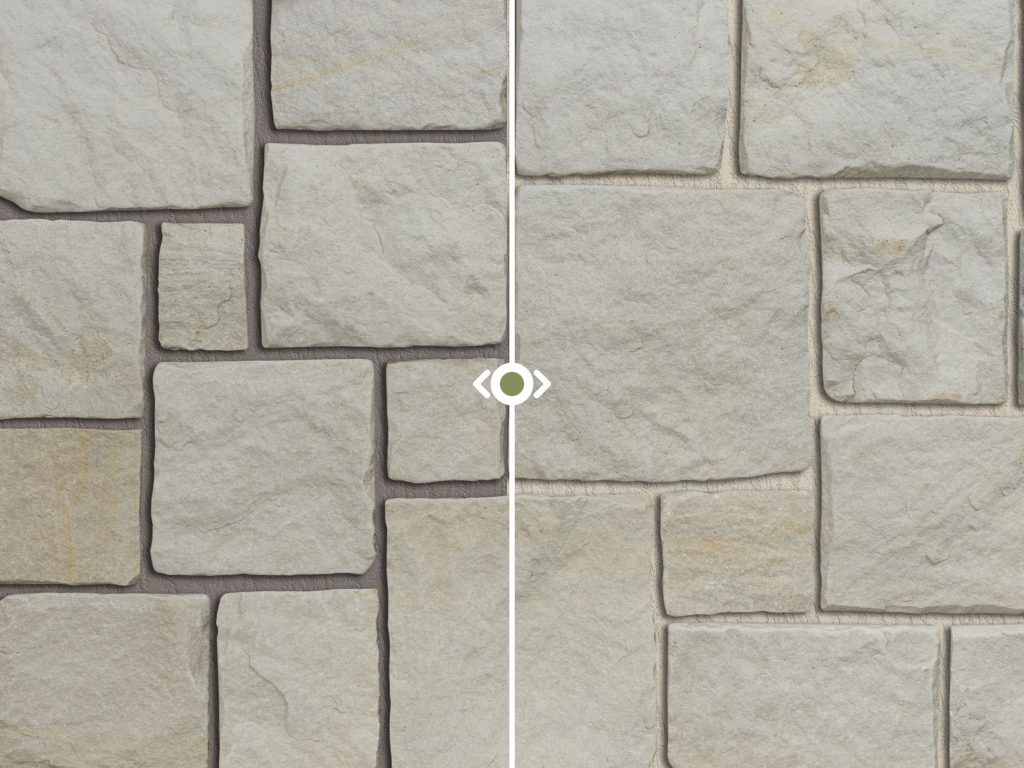
Here’s a fun experiment you can do in your head. Picture a gorgeous stone veneer wall. Got it? Now imagine the mortar between the stones is bright white. Now swap it for deep charcoal. Same stones, same layout, same everything, but you just pictured two completely different walls.
That’s the secret most people miss when they fall in love with a stone: the mortar color does half the work. Pick the stone first, sure, but the joint color is what decides whether your project ends up looking warm and cozy, clean and modern, or straight out of an old-world village.
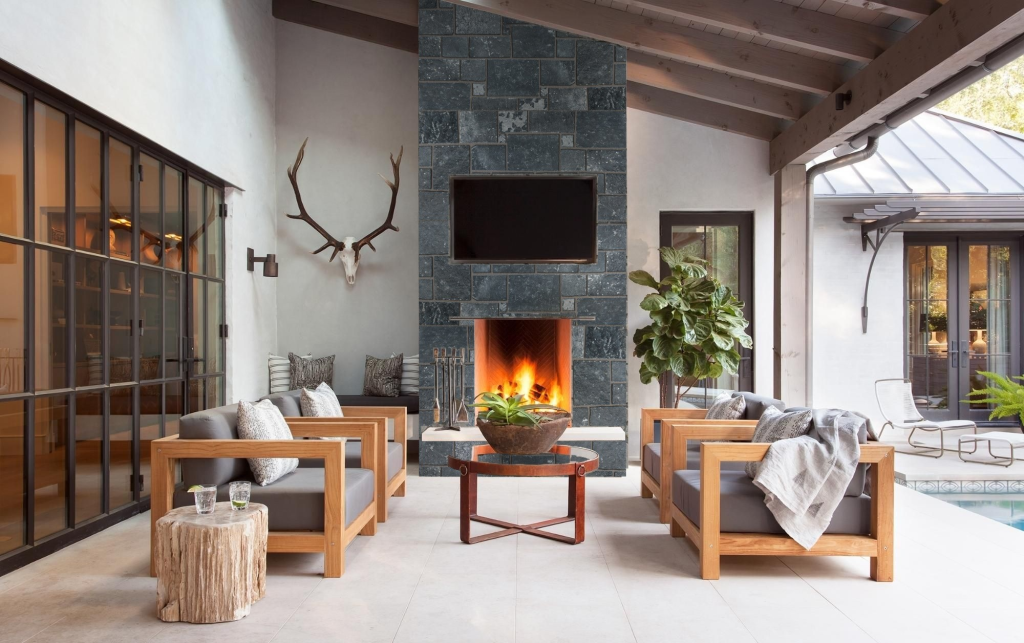
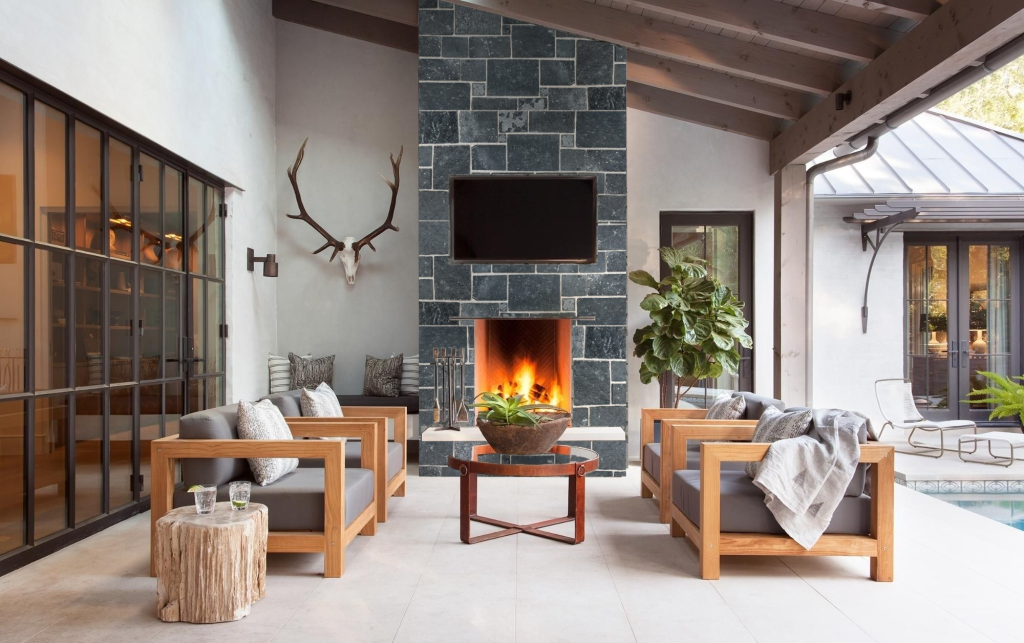
WAIT, MORTAR IS A DESIGN CHOICE?
It really is. Mortar is the material that fills the joints between each stone, and on a typical wall you’re looking at a surprising amount of it. All those lines add up to a grid that your eye reads as part of the pattern, not a background detail.
Masonry pros have known this forever. The industry guidance is consistent on the big idea: the more your mortar matches the stone, the more the joints disappear, and the more it contrasts, the more the pattern pops. You’re not just filling gaps. You’re turning the volume up or down on the whole design.
A QUICK TOUR OF THE COLOR SPECTRUM
Gray: the quiet professional. Reads neutral and contemporary, and it’s the easiest base to tint lighter or darker.
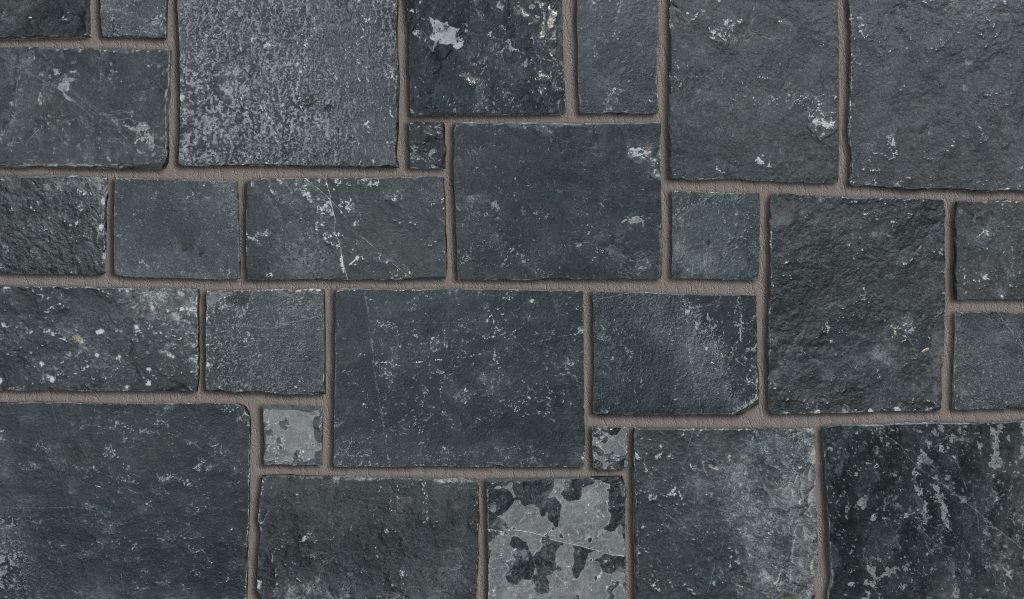
White/light mortar: fresh, bright, and great for making a light stone feel airy or a dark stone feel dramatic. The highest-contrast choice on a dark wall.
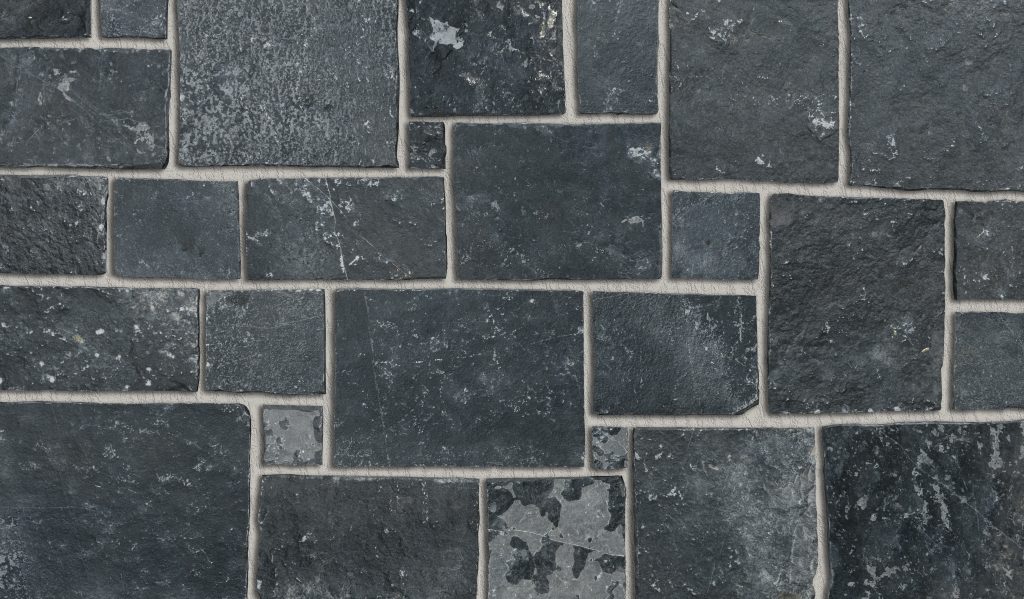
Natural/buff tones: the crowd-pleaser. Warm, earthy, and friendly with almost any stone. Hard to go wrong.
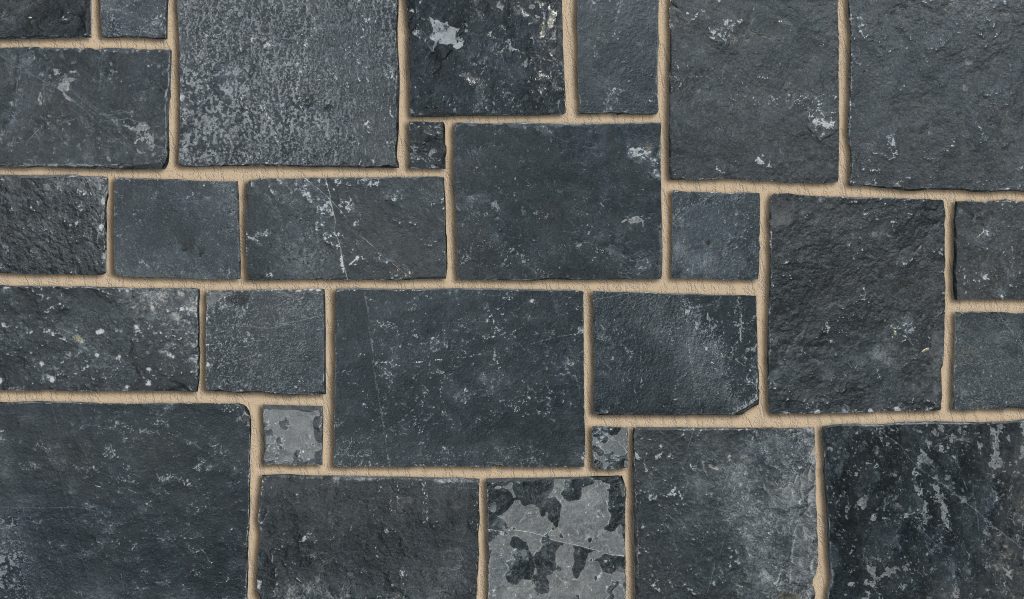
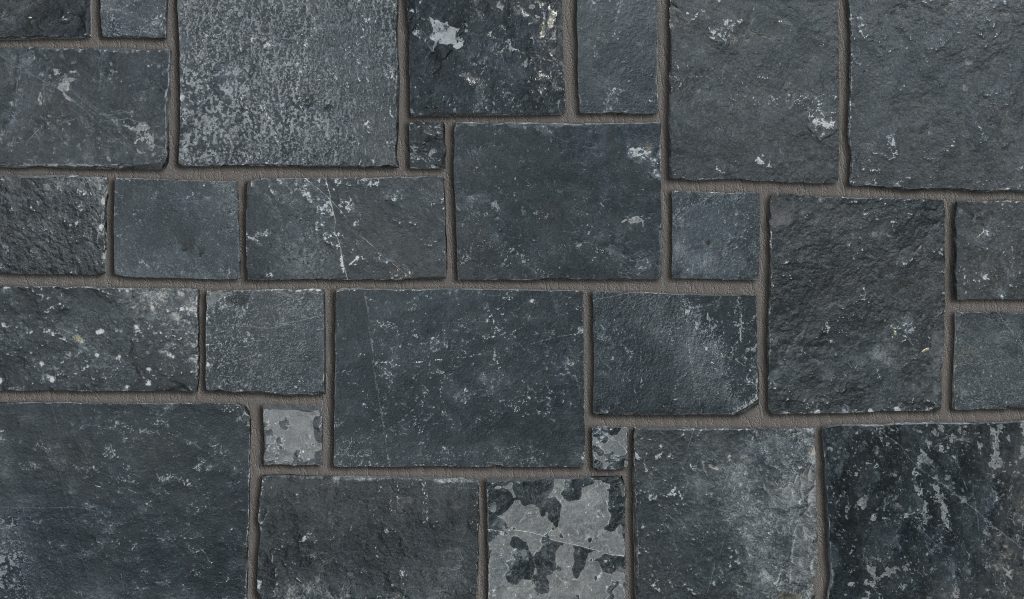
Charcoal/dark mortar: bold and cozy at once. On lighter stone it frames each piece like a picture. On darker stone it can make the joints nearly vanish for a tight, moody look.
IT’S NOT JUST THE COLOR, IT’S THE JOINT
Here’s the part that makes it genuinely fun: the shape of the joint changes how that color reads. Same mortar, different finish, different wall.
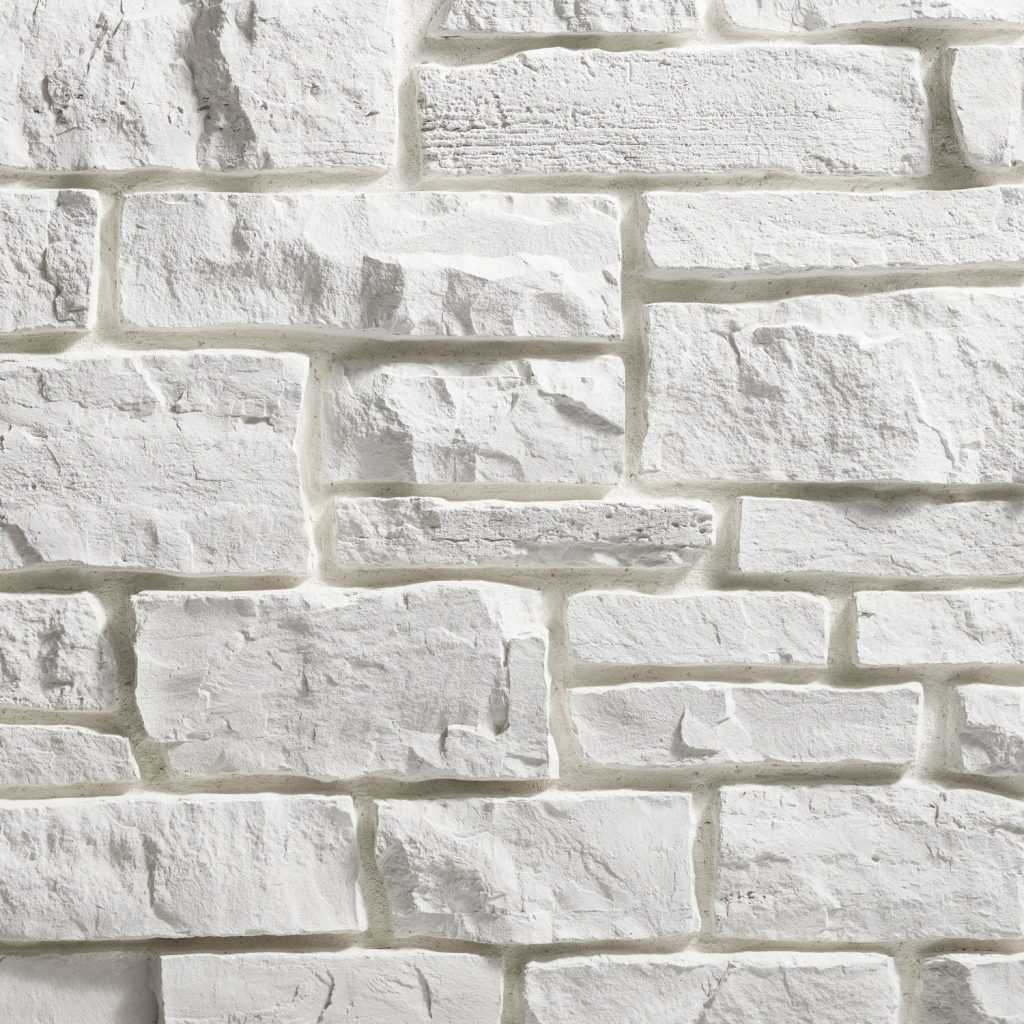
Standard Joint: stones set about a finger-width apart, then the joint is tooled back once it’s semi-dry. The recess throws a shadow line that adds depth and dimension.
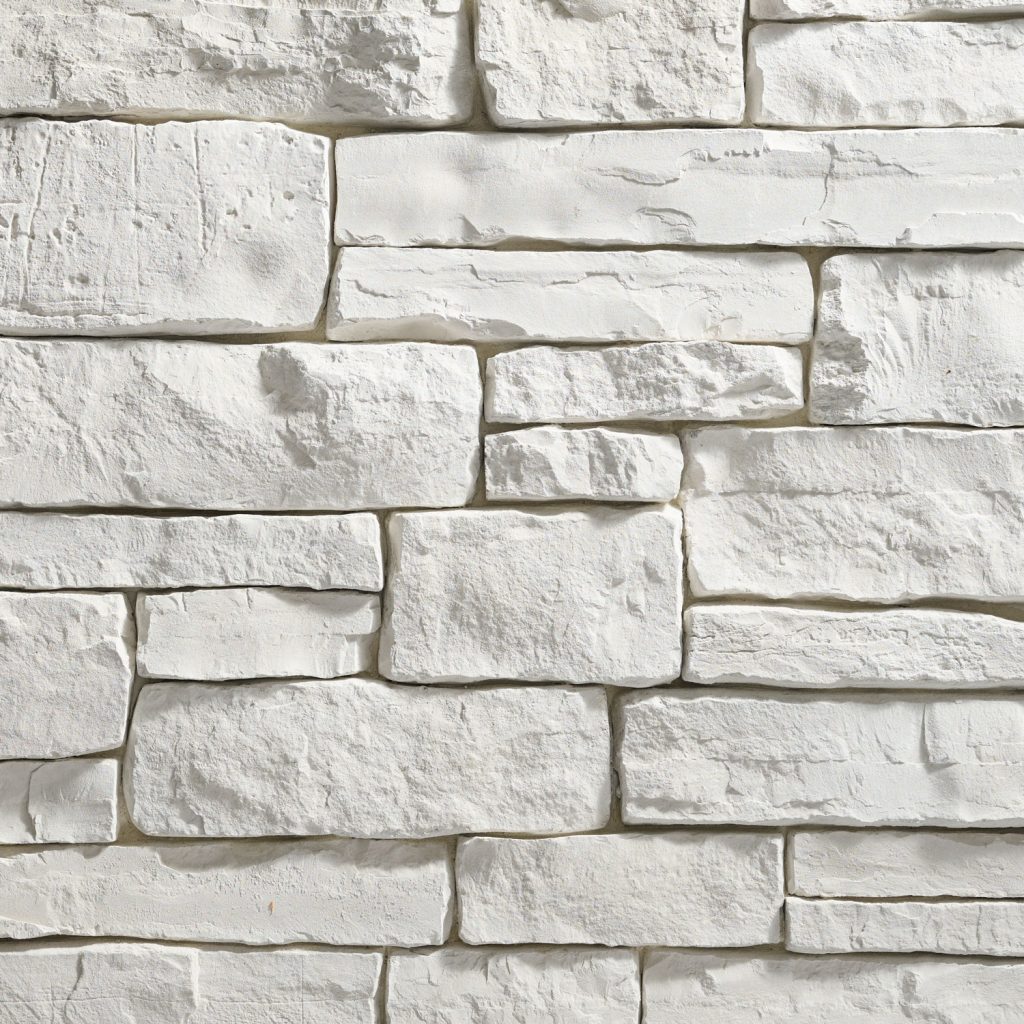
Tight-Fit Joint: barely any visible mortar at all. Think clean horizontal lines and a crisp, modern face. Works best with profiles built for a snug fit.
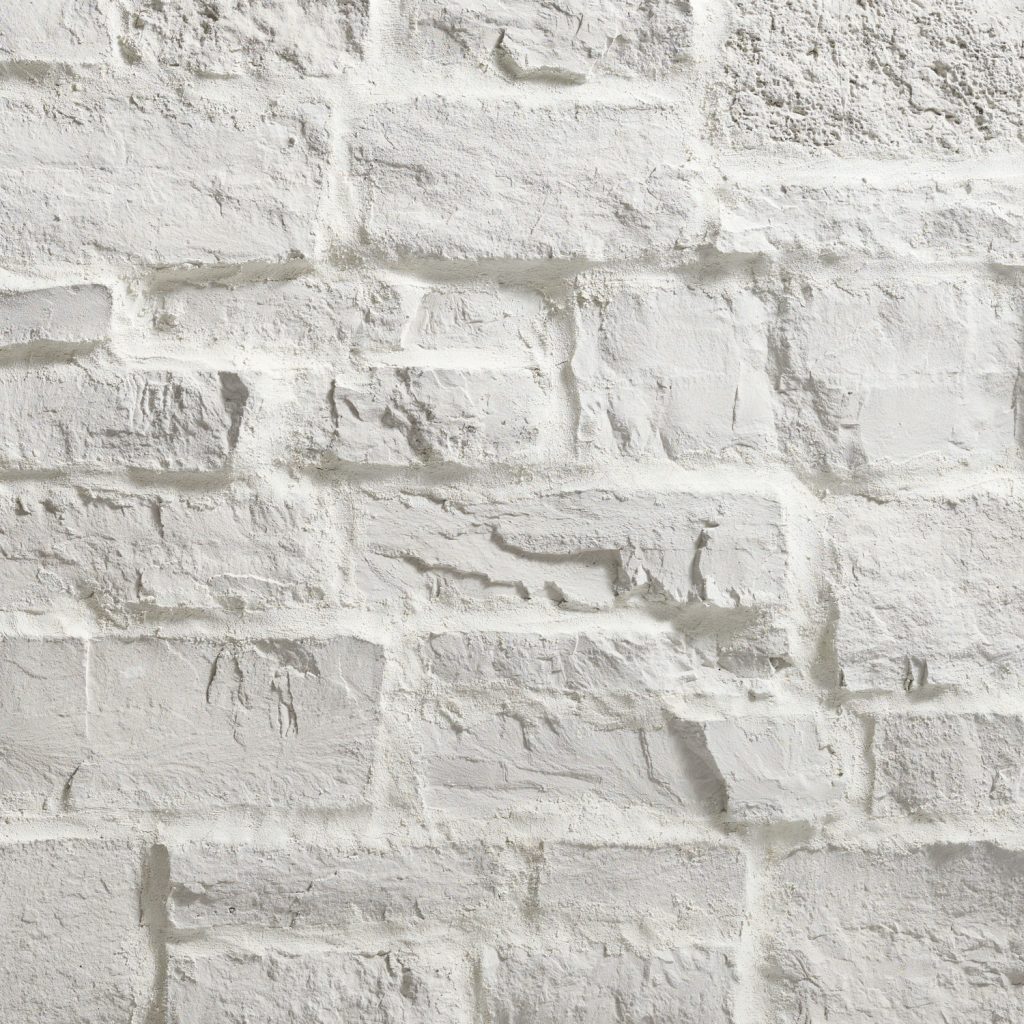
Overgrout: mortar is pushed out past the stone edges, sometimes an inch or more, for that heavy, aged, European-farmhouse feel. Also called a sack finish.
Your stone gets all the attention, but mortar color is the quiet decision that ties the whole look together. Blend it to disappear, contrast it to show off, or pull a tone from the stone itself to play it safe. Change the color, change the joint, and you can take one stone in a dozen different directions.
Let’s get your wall looking exactly the way you imagined it, contact us today!