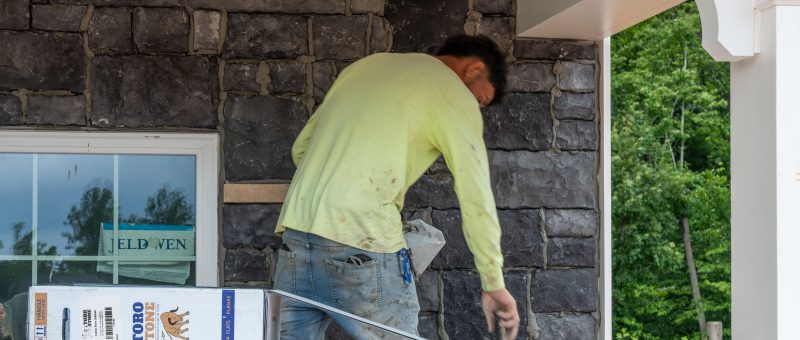
How Stone and Brick Protect Your Home from Hail Damage

How Stone and Brick Protect Your Home from Hail Damage

How Stone and Brick Protect
Your Home from Hail Damage

How Stone and Brick Protect Your Home from Hail Damage

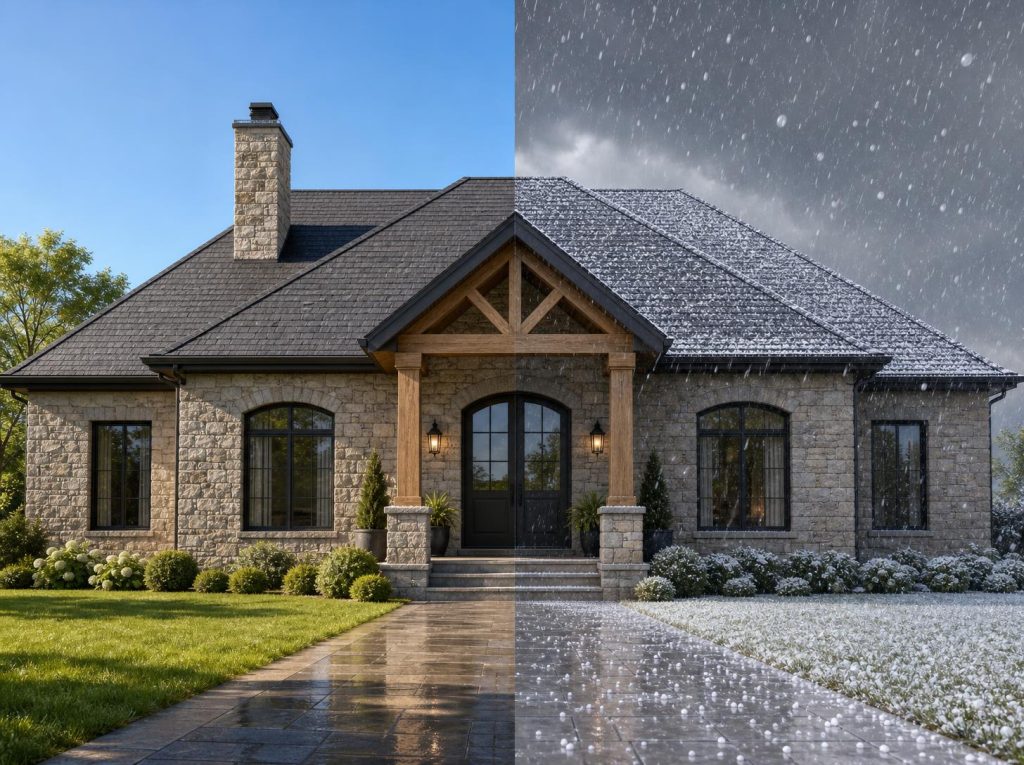
If you’ve lived through a few storm seasons, you know how unpredictable the weather can be. One minute it’s sunny skies, and the next you’re hearing hail pound against your roof and windows. These sudden storms can cause serious damage to your home’s exterior, from dented siding to cracked stucco or chipped paint. That’s why more homeowners and builders are turning to stone and brick as a long-term, low-maintenance way to protect their homes against hail and other extreme weather events.

Why Hail-Resistant Materials Matter

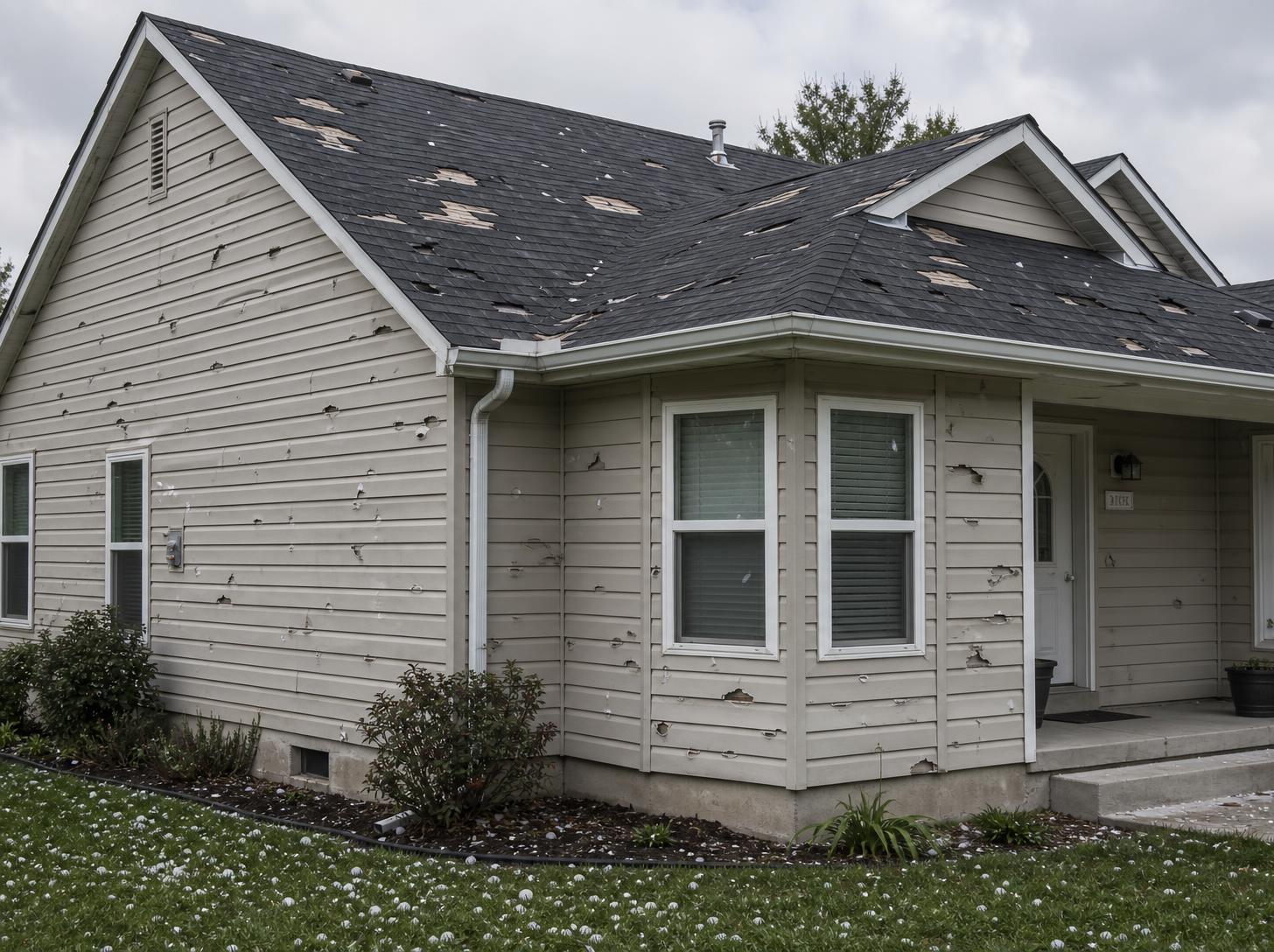
Hailstones can range in size from small pebbles to golf balls, or even larger during severe storms. Materials like vinyl, wood, or aluminum siding often don’t stand a chance, leaving behind visible dents, cracks, or punctures that can lead to costly repairs. Choosing a hail-resistant exterior isn’t just about looks; it’s about durability, peace of mind, and long-term value. 

The Strength of Stone and Brick

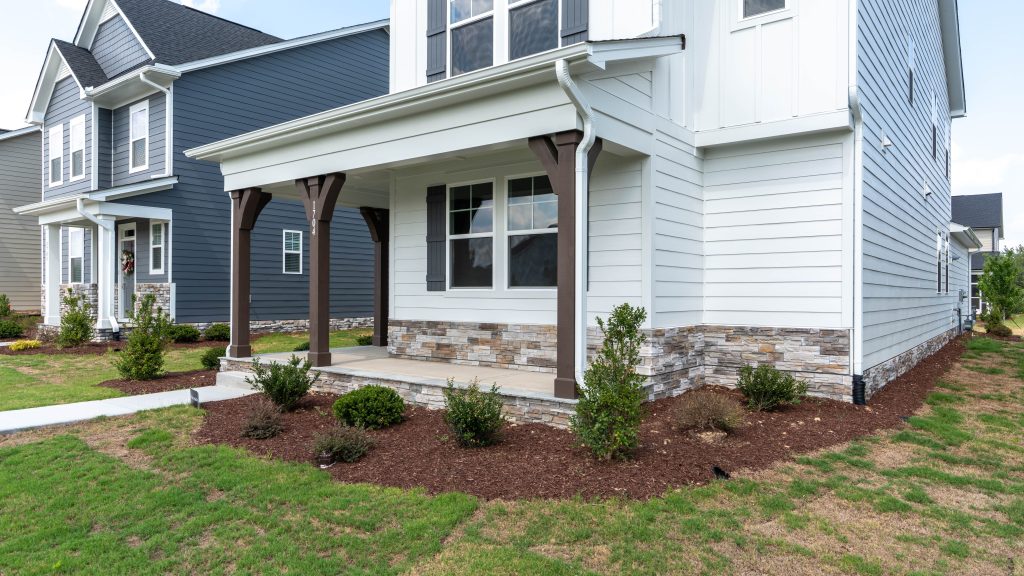
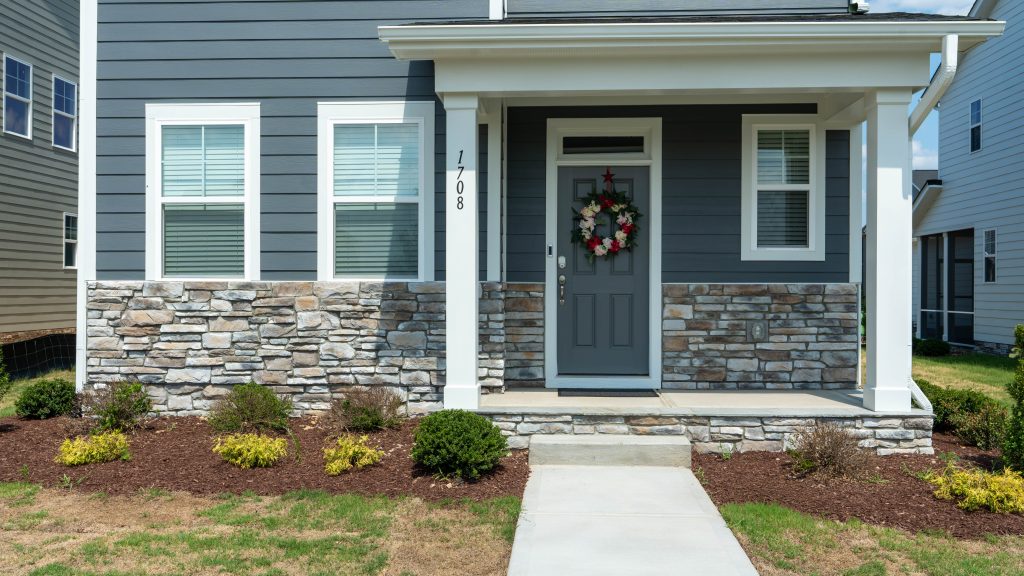
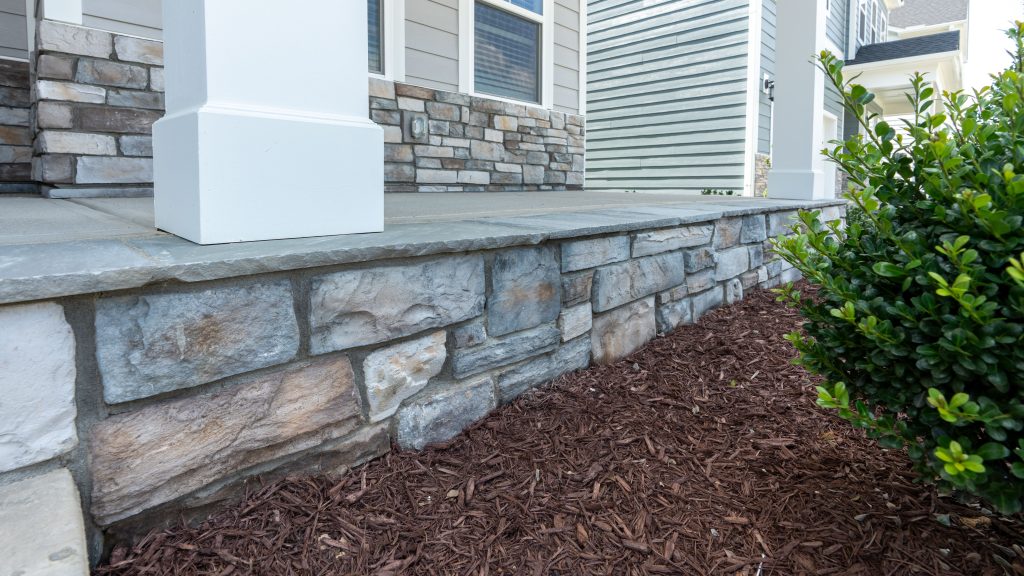
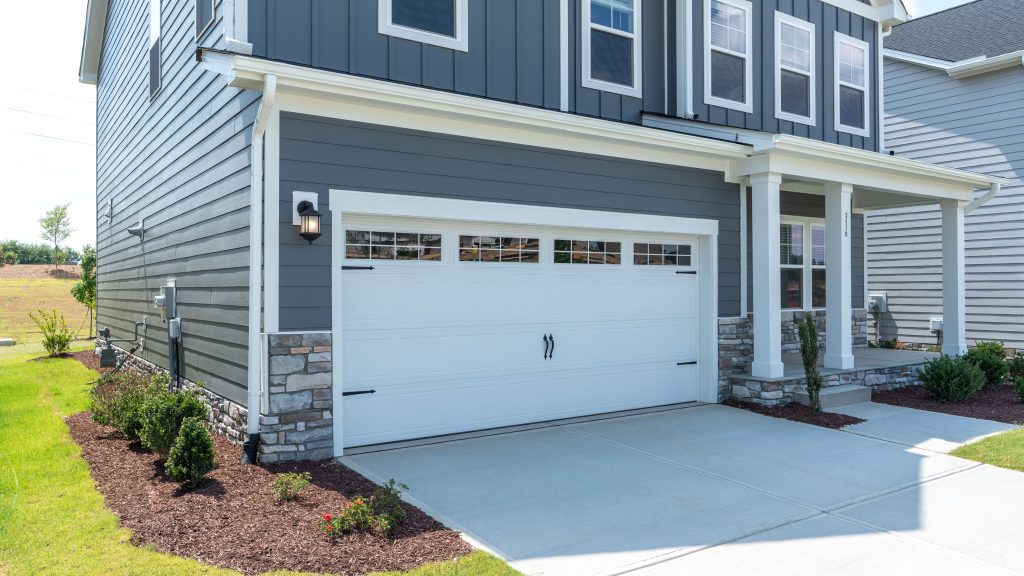
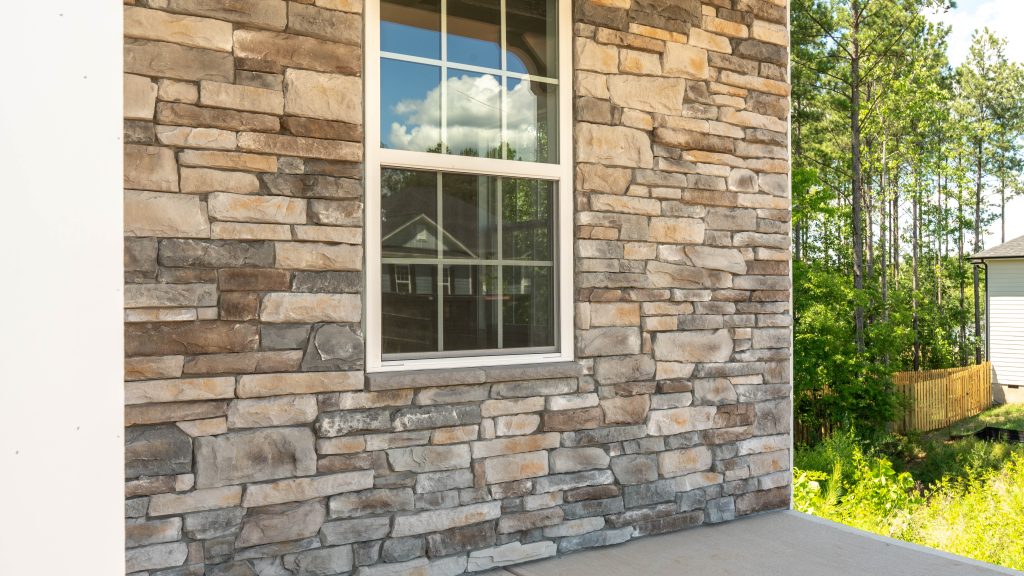
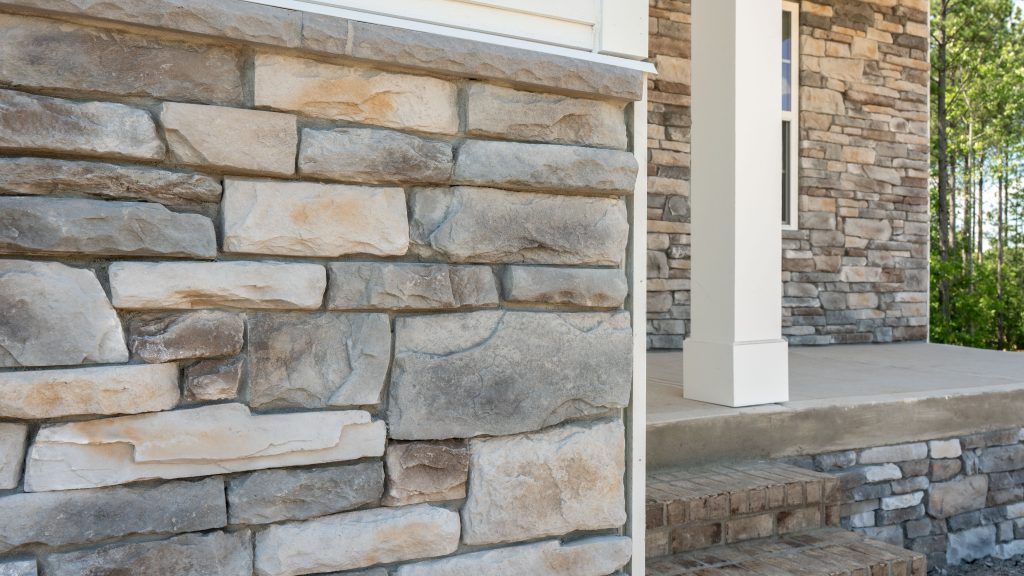
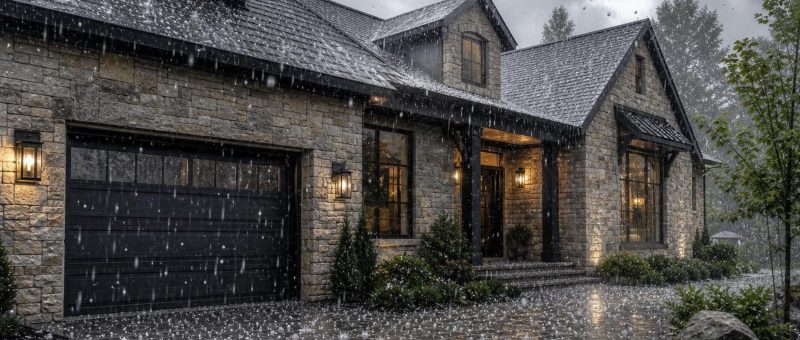
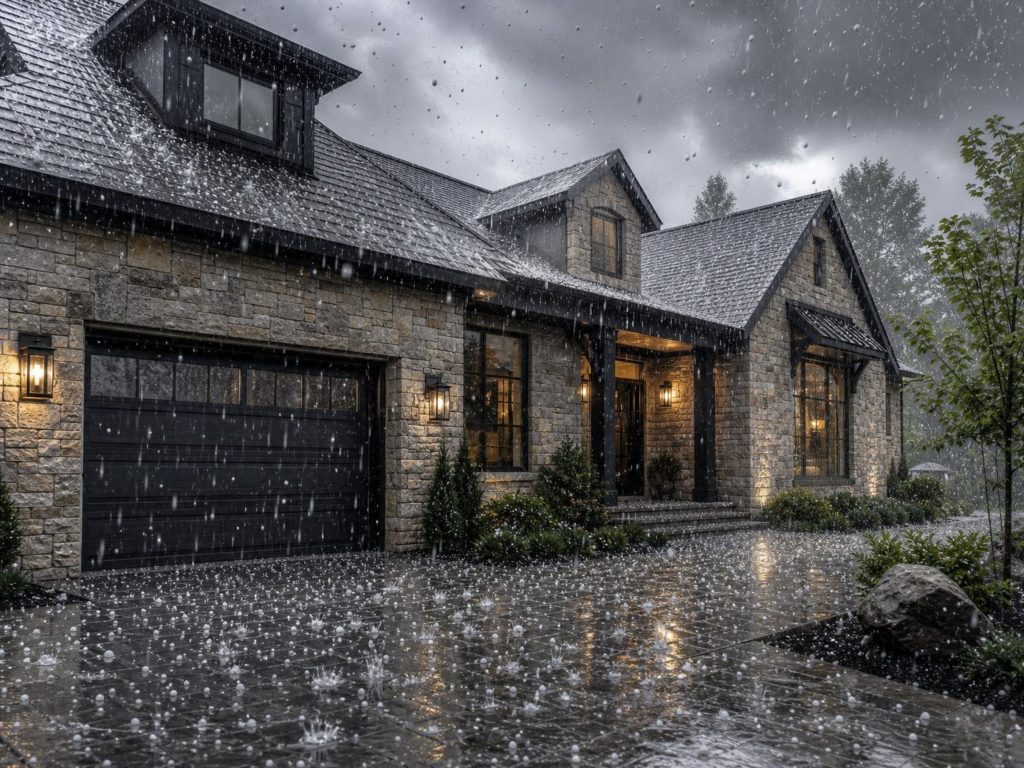
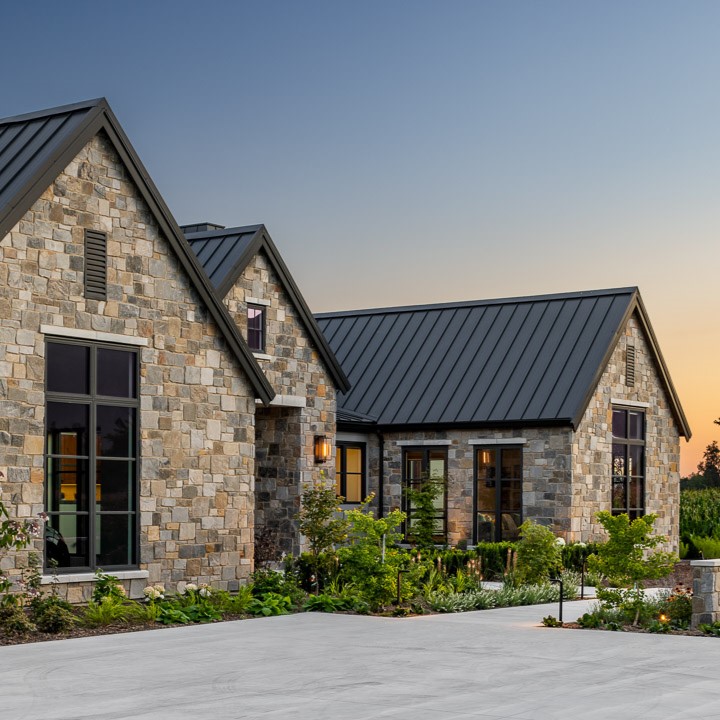
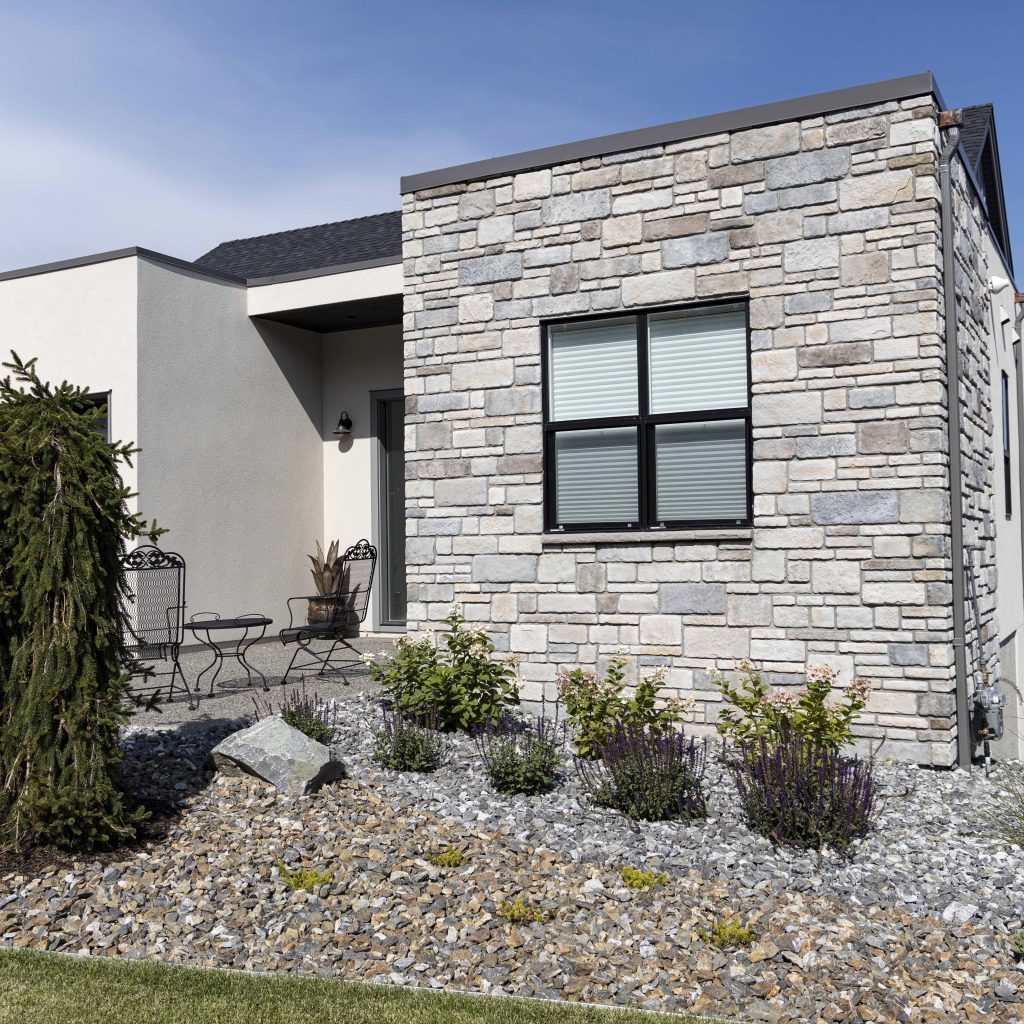
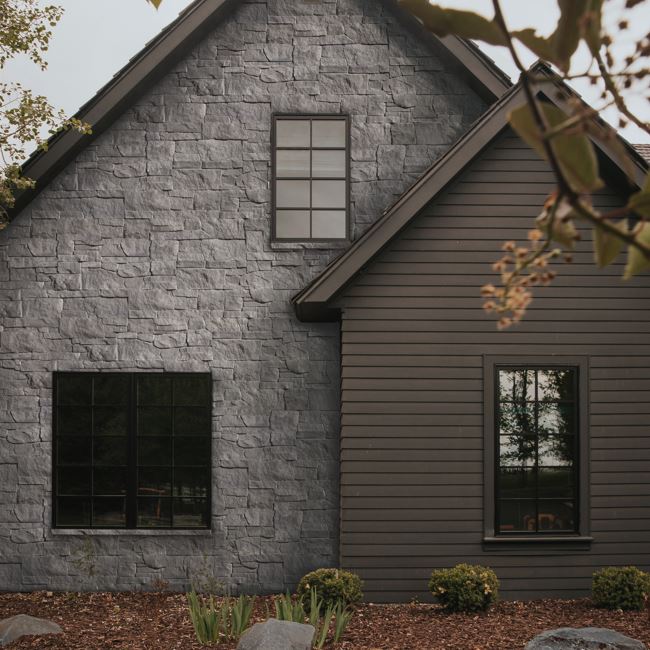
Stone and brick aren’t just beautiful; they’re some of the strongest, most durable materials you can choose for your home exterior. Able to withstand hail, wind, and heavy rain, these materials act as protective shields while adding timeless style. Here’s how different options stack up when it comes to hail resistance:

Natural Stone Veneer

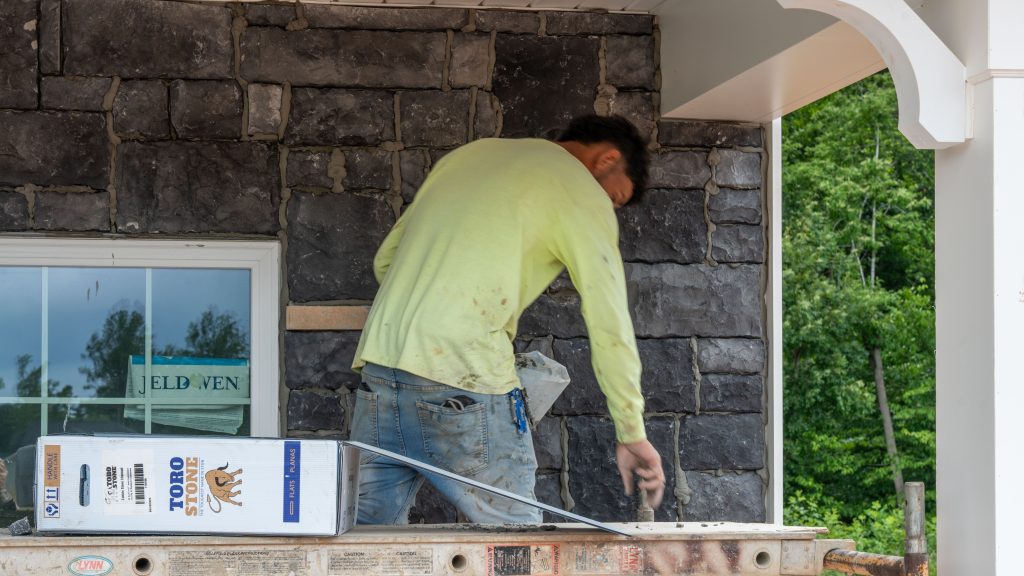
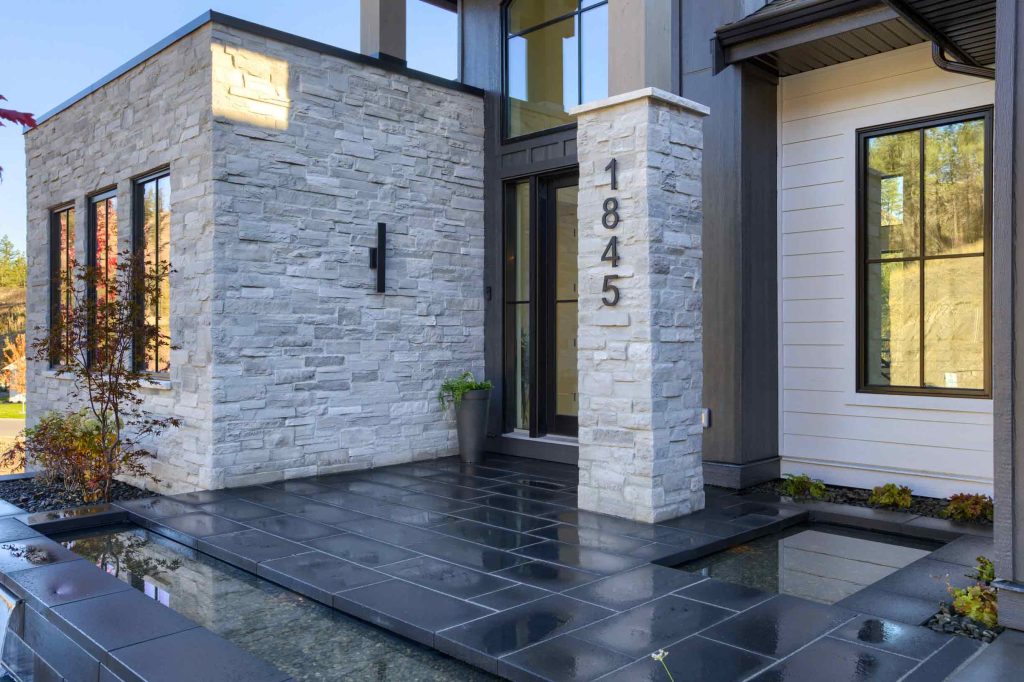
NATURAL STONEThick, dense, and hard natural stone like Pangaea® Natural Stone absorbs impact without cracking or denting. Granite, limestone, and slate provide unmatched protection while giving your home an elegant, lasting look. 

Manufactured Stone Veneer

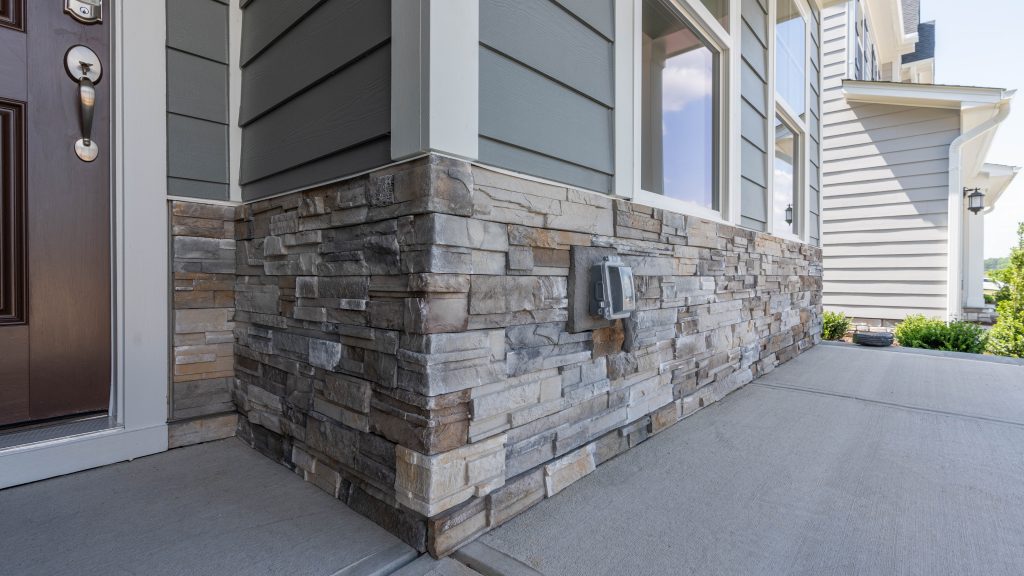
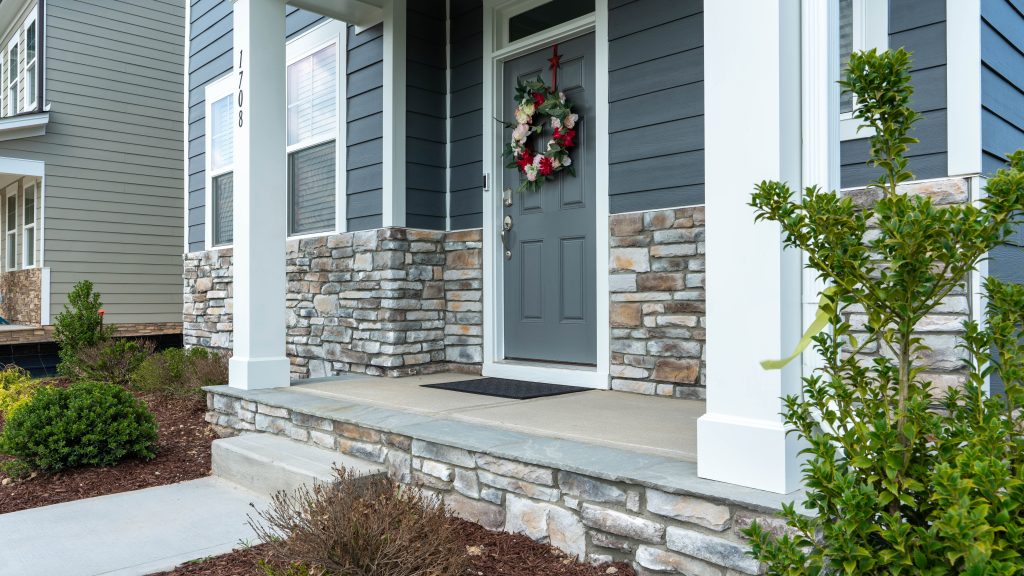
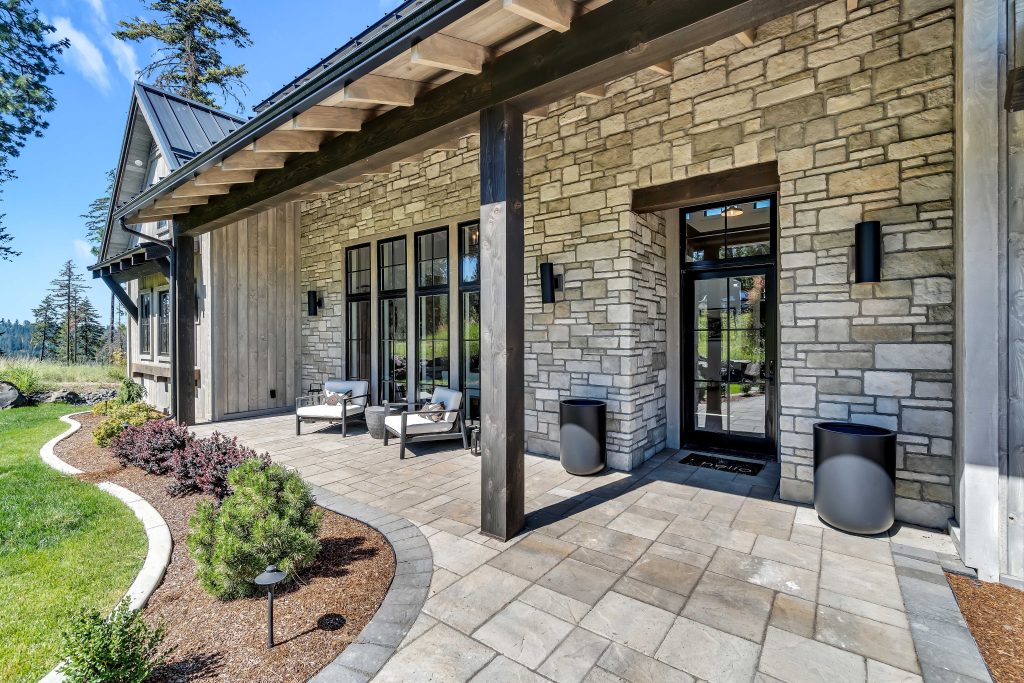
MANUFACTURED STONELighter and more versatile than natural stone, high-quality manufactured stone like Cultured Stone®, Eldorado Stone®, and Dutch Quality Stone® is engineered to resist hail and extreme weather, offering both durability and design flexibility. 

Stone Siding

STONE SIDINGEngineered for exterior walls, stone siding like Willki combines protection with style. It withstands hail and harsh weather while giving your home a textured, natural appearance. 

Manufactured Brick Veneer

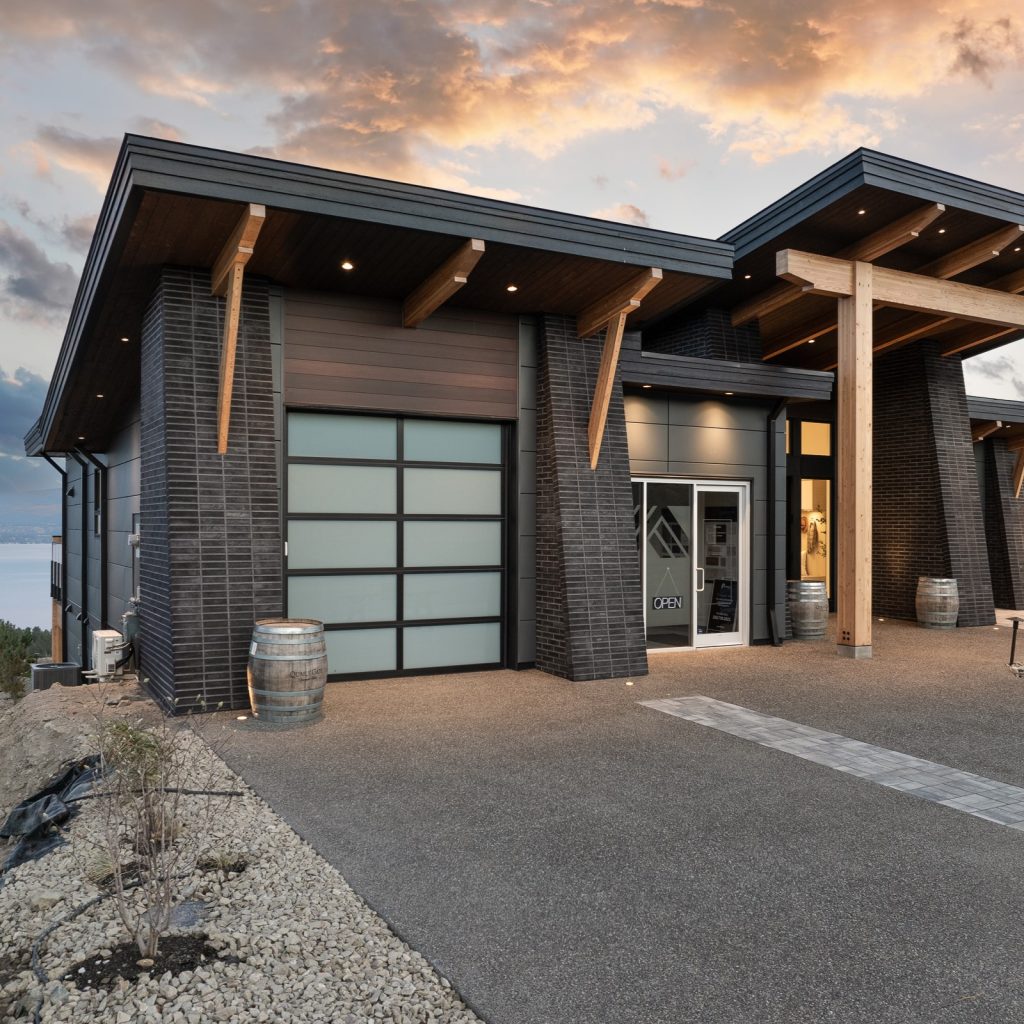
MANUFACTURED BRICKProvides durable, low-maintenance protection against hail. Manufactured brick like Cultured Brick® mimics clay while resisting chipping.

Beyond Hail: Year-Round Protection

Stone and brick don’t just protect against hail; they’re built to handle whatever nature throws at them. From heavy rain and snow to wind and heat, these materials remain stable, low-maintenance, and beautiful for decades. Plus, with today’s wide range of colors, textures, and profiles, you can design an exterior that’s as stylish as it is strong. 

How Stone and Brick Protect Your Home from Hail Damage

Get Ahead of the Weather

With extreme weather becoming more common, investing in a hail-resistant exterior is one of the smartest home improvements you can make. Stone and brick not only safeguard your home but also boost curb appeal and long-term value.

Don’t wait for the next big storm to hit, get ahead of the unpredictable weather and build a home that’s made to withstand it with stone and brick! 

Designing for Wildfires: Fire-Resistant Exteriors with Non-Combustible Stone

Designing for Wildfires

Designing for Wildfires: Fire-Resistant Exteriors with Non-Combustible Stone

Designing for Wildfires

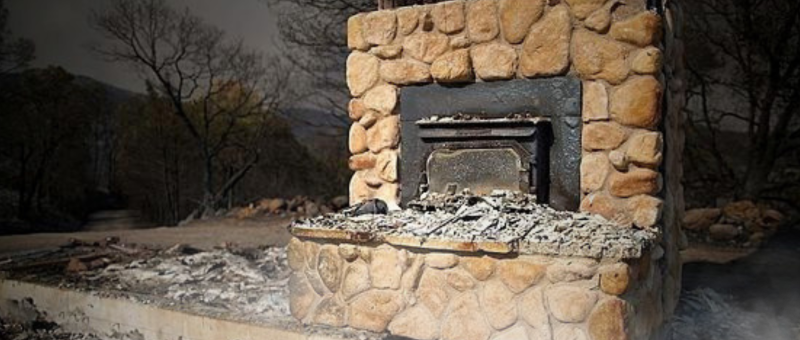
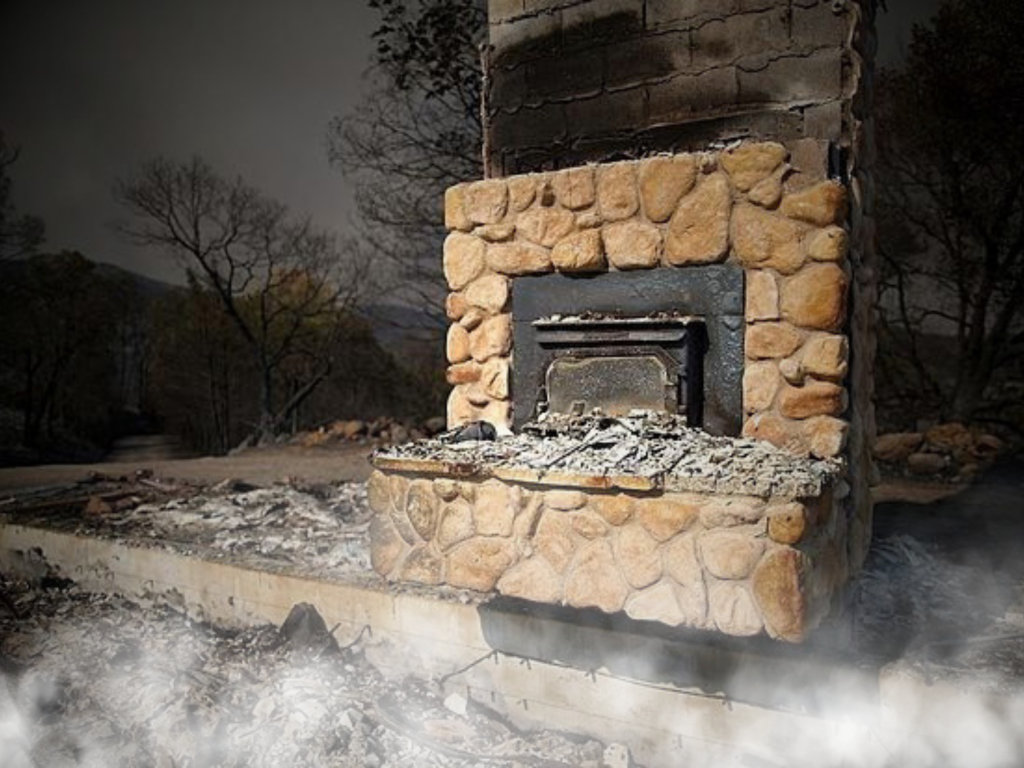
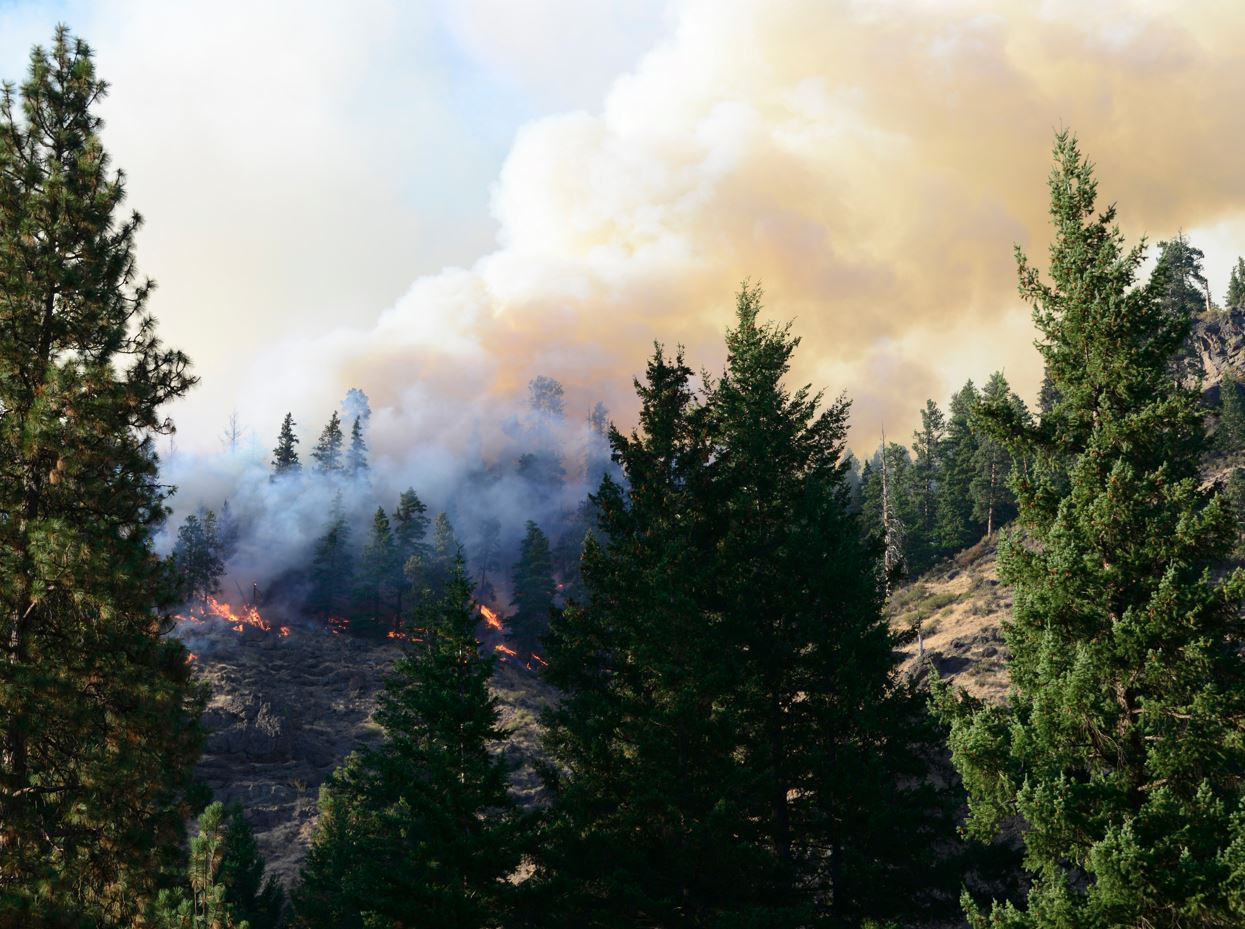
As wildfires continue to impact communities across North America, architects, builders, and homeowners are placing more and more emphasis on fire-resistant building designs. While no structure is completely fireproof, the materials used on a building’s exterior can make a significant difference in improving a home’s resilience and potentially saving lives. One of the most effective and aesthetically pleasing choices? Non-combustible stone – including thin veneer or full-bed options, in either manufactured or natural stone.

Let’s explore the benefits of using stone in wildfire-prone areas, review relevant building codes in Canada and the U.S., and provide tips on designing safer, more durable homes with non-combustible stone.

WHY STONE IS A SMART CHOICE IN WILDFIRE ZONES

Stone, whether it’s natural or manufactured, thin veneer or full bed, is typically non-combustible, meaning it won’t ignite, burn, or contribute to the spread of flames. This makes stone an excellent choice for building exteriors, especially in Wildland Urban Interface (WUI) zones where homes are close to flammable vegetation.

Here’s why stone stands out:

  • Non-combustible rating: Some manufactured and natural stone products are tested and certified as Class A fire-rated – the highest level of fire resistance, though not all products undergo formal testing.
  • Sustainability: Stone can last decades with minimal maintenance
  • Design versatility: With countless colors, textures, and styles available, stone offers both function and beauty.

Building codes that address fire-resistant exteriors

Designing for Wildfires

Both Canada and the United States have implemented strict codes and guidelines to promote fire-resistant construction, particularly in wildfire-prone regions.

In Canada, the National Fire Code of Canada provides the foundation for fire safety, but provinces and municipalities often implement stricter requirements in wildfire-prone areas. In the U.S., states such as California, Colorado, and Oregon have adopted the International Wildland-Urban Interface Code (IWUIC), which outlines construction standards for wildfire zones. While you should always consult local building codes, non-combustible stone products typically meet or exceed fire safety requirements for exterior walls. At a minimum, look for products with UL testing and certification to ensure compliance.

best practices when designing with stone for fire safety

Cultured Stone® - Country Ledgestone, Wheaton™

Using non-combustible stone is a great start, but to maximize fire resistance, it should be part of a comprehensive design strategy. Consider the following:

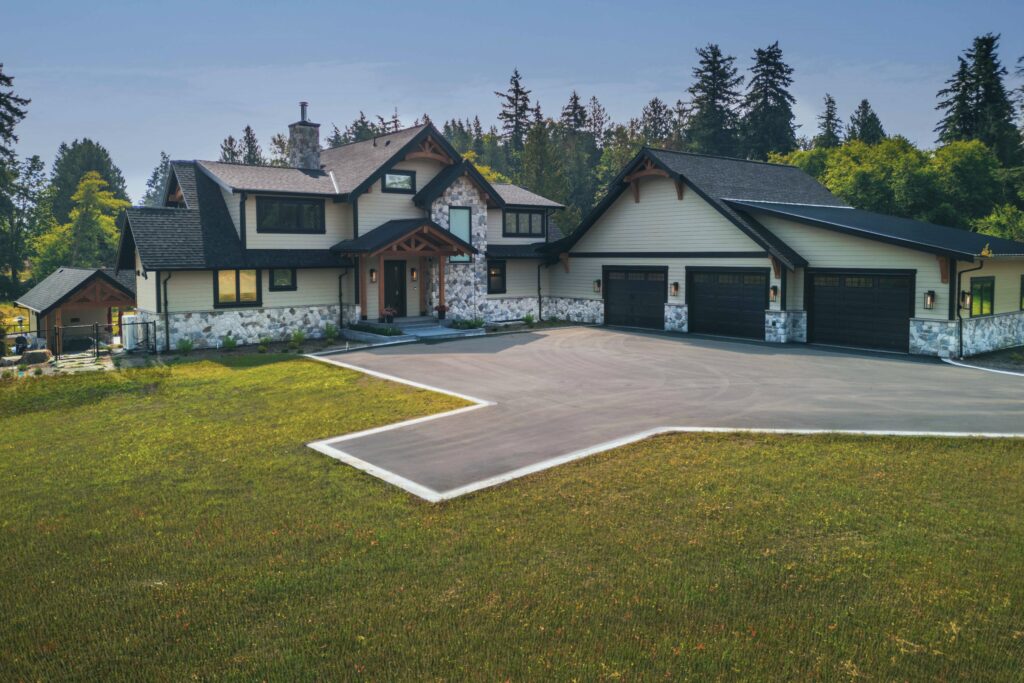
  • Continuous Stone Cladding: Avoid mixing combustible materials like wood or vinyl with stone on exterior walls.
  • Use Stone Near Ground Level: Installing stone near the foundation and lower exterior walls helps create a fire-resistant barrier in the area where embers are most likely to accumulate. In fact, most homes destroyed by wildfire are ignited by flames less than 18 inches high.
  • Pair with Fire-Rated Materials: Combine stone with metal roofing, tempered glass, and non-combustible soffits and fascia.
  • Maintain Clearance: Keep a defensible space by clearing flammable plants or mulch away from the base of your stone walls.

Choosing the right stone product

Cultured Stone® - Sculpted Ashlar, Silver Shore

Whether you’re building a new home or updating an existing one, we offer a variety of non-combustible stone options to suit your project:

  • Manufactured Stone Veneer: Lightweight and easy to install, class A fire-rated options available, wide variety of colors and styles.
  • Natural Stone Veneer: Cut from real natural stone, may be naturally non-combustible, timeless look with lasting durability.
  • Full Bed Natural Stone: Thicker, heavier stone for a substantial appearance, ideal for custom and luxury builds, exceptional fire and thermal resistance.
  • Stone Siding: panelized or mechanically fastened systems, class A fire-rated options available, quick installation ideal for residential and commercial applications.

not all stone products are non-combustible

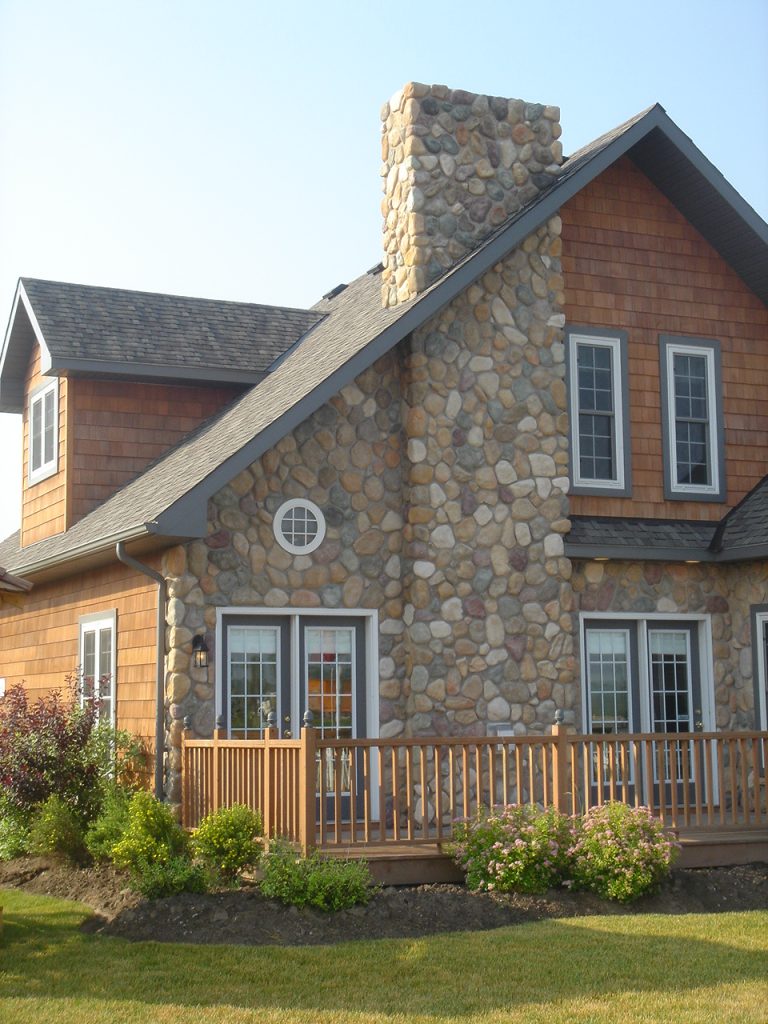
Cultured Stone® - River Rock, Lakeshore

While stone is generally considered fire-resistant, not all stone products are truly non-combustible. Some types of manufactured stone veneer may contain lightweight aggregates or binders that affect fire performance. To ensure safety, always check that the product is Class A fire-rated or tested to standards like ASTM E136 or CAN/ULC-S114. Review product data sheets, confirm code compliance for your region (especially in WUI zones), and consult with your supplier to verify fire resistance before installation.

As wildfires become more frequent and intense, fire-resilient design is no longer optional; it’s essential. Incorporating non-combustible stone on your home’s exterior is a proven way to reduce fire risk while enhancing curb appeal. Whether you’re in the dry areas of British Columbia or the hills of California, stone veneer offers a practical, durable, and beautiful solution for homes built with safety in mind.

Explore our collection of Class A fire-rated manufactured and natural stone products, perfect for wildfire-prone regions. Our team is here to help you choose the right product for your project. Get in touch today!